

Data Protection Training For Spas and Wellness Centres
Your clients share intimate health details – allergies, medical conditions, contraindications – with every treatment booking. Mishandling that trust could mean fines, reputational damage, and lost clients. Our GDPR training is built for the wellness industry.

Trusted Provider For Over 27,000 Professionals

Overview of Datalaw’s Data Protection Training For Spas and Wellness Centres
Spas and wellness centres sit at the intersection of hospitality and healthcare. You handle special category personal data – health information that underpins client safety and comfort. From initial health questionnaires and treatment consent forms to confidential allergy records and intimate treatment notes, every piece of data carries legal weight and ethical responsibility.
Our bespoke GDPR training covers the unique challenges your sector faces: consent for special category health data, managing contraindication forms, protecting records of intimate treatments, secure storage of client health profiles, and ensuring staff understand why confidentiality matters beyond policy – it’s core to client wellbeing.
- Government Funded Pathway: Level 4 Data Protection Officer Apprenticeship
- Private Pathway: UK GDPR DPO Practitioner Course
Download Our Free Brochure
Discover how leading wellness centres ensure client health data is protected, how to design consent processes that work, and what staff training actually prevents breaches in your sector.
Government Funded Route
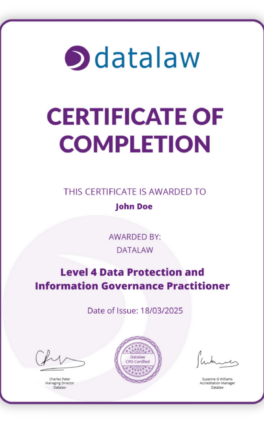
Level 4 Data Protection Officer Apprenticeship
This apprenticeship is ideal for wellness managers, centre owners, or aspiring data protection leads who want government backing and formal qualification in Data Protection and Information Governance.
- Up to £10,000 government funding available (levy or co-funded)
- Recognised qualification in Data Protection & Information Governance
- No formal exams – assessed through portfolio and professional discussion
- Flexible learning designed to fit around your operations
- Ideal for building internal capability and long-term compliance oversight
Private Route
UK GDPR DPO Practitioner Course (3 Days)
Our 3-day intensive course condenses essential GDPR and sector-specific risks into practical, scenario-led training tailored to spa operations, health data sensitivity, and staff compliance culture.
- 3-day intensive training programme
- £1,250 + VAT (one-off cost, employer or individual funded)
- Covers UK GDPR, data breaches, SARs, and spas and wellness centres-specific risks
- Practical, scenario-based learning tailored to spas and wellness centres
- Ideal for existing staff needing quick, focused upskilling
420+
Organisations in the UK Trust Datalaw for Legal & Data Training
27,000+
Professionals Have Chosen Us as their Training Provider
90%
Learner Satisfaction for Our Online Training and Support
Benefits of Data Protection Training for Spas and Wellness Centres
Special Category Health Data Mastery
Learn when and how to lawfully process health questionnaires, medical screening, allergy information, and contraindication records under GDPR Article 9.
Consent & Contraindication Management
Design consent workflows for intimate treatments, handle withdrawal of consent, and establish protocols that therapists follow before every session.
Confidentiality & Client Trust
Protect health profiles so clients feel secure sharing sensitive information; build a culture where privacy is non-negotiable and you can be trusted to handle data accordingly.
Secure Data Storage & Retention
Understand retention schedules for health records, safe storage of paper forms, and secure deletion when a client leaves your centre.
Membership & Booking System Compliance
Ensure booking systems, payment records, membership databases, and marketing communications respect GDPR; avoid data silos.
Staff Training & Accountability
Equip therapists, receptionists, and managers with practical tools to spot privacy risks and escalate data handling concerns confidently.

Next Steps
Ready to secure your client data and build trust? Here’s how to get started:
- Explore funding options and timeline for the Level 4 Apprenticeship or book your 3-day DPO course
- Complete our sector-specific needs assessment to identify your biggest compliance gaps
- Enrol your management team or frontline staff to embed data protection into daily operations
Common Data Protection Challenges in Spas and Wellness Centres
Running a wellness centre with GDPR in mind is tough. Here are the challenges we hear most:
- Staff don't understand why health data is 'special'—they think all personal data is treated equally
- Therapists are uncomfortable asking clients for written consent on health forms; feared impact on client experience
- Paper health questionnaires and treatment notes scattered across desks, unlocked storage, or client files
- Clients withdraw consent or request deletion mid-course of treatment; unclear how to manage ongoing care
- Marketing campaigns use client health interests (e.g., 'targets women with arthritis') without explicit consent
- CCTV in changing areas and treatment rooms poses privacy and special category data risks
Our training tackles these challenges head-on, giving your team the confidence and practical know-how to manage personal data properly, every day.

What Happens If You Get It Wrong?
The stakes are real. Non-compliance in handling health data can result in:
- ICO fines up to £20m or 4% of global turnover for unlawful processing of special category health data
- Reputational damage when clients discover their health records were mishandled or shared without consent
- Breach disclosure obligations that destroy trust and trigger potential client litigation
- Loss of therapist confidence in your systems; staff turnover due to unclear compliance expectations
- Inability to meet contractual obligations to corporate wellness clients or health insurance partners who audit your processes
Get More Information From One of Our Expert Training Coordinators
Get information on start dates, funding, how to apply, employer support, and more.
Why Spas and Wellness Centres Choose Datalaw
Why wellness centres trust Datalaw:
- We specialise in health and care sector data protection—we know your world, from consent workflows to special category risk
- Practical modules on real scenarios: managing contraindication forms, consent for intimate treatments, handling member withdrawals
- Your team learns compliance in context, not abstract GDPR rules—they'll confidently address live challenges in your centre
- We help you design sustainable processes: consent templates, retention schedules, staff training resources you can use immediately
- Expert support after training—questions about a specific data flow? We're here to help you stay compliant as you grow

Join Our Community


Frequently Asked Questions
Yes. Any information revealing health status, medical history, allergies, or physical condition is special category under GDPR Article 9. This triggers stricter legal requirements and higher penalties if mishandled. Our training shows how to collect them lawfully, store securely, and delete properly.
No. Special category data requires explicit, unambiguous, freely given written consent. Generic “I agree to terms” clauses won’t hold up. We teach you how to craft specific, clear consent language clients will trust.
You must delete it if there’s no other legal ground to keep it. The challenge is managing ongoing care safely. Our training covers balancing client rights with duty of care – including when to seek client agreement on a short retention period.
CCTV in intimate spaces raises serious GDPR and privacy concerns. We explain the strict conditions for lawful CCTV, when you need explicit consent, and practical alternatives (e.g., entry/exit cameras only, clear signage, staff-only zones).
Approved Training Provider
Datalaw is an approved training provider for the Level 4 Data Protection Officer Apprenticeship. We are also recognised by the UK Health & Social Care sector for specialist GDPR training in data protection and information governance. Our course is designed to meet the ICO’s expectations for staff training in organisations handling sensitive personal data.